Meet author Janet Greger

Today I’m hosting author Janet Greger, who discusses her exciting new novel, Malignancy.

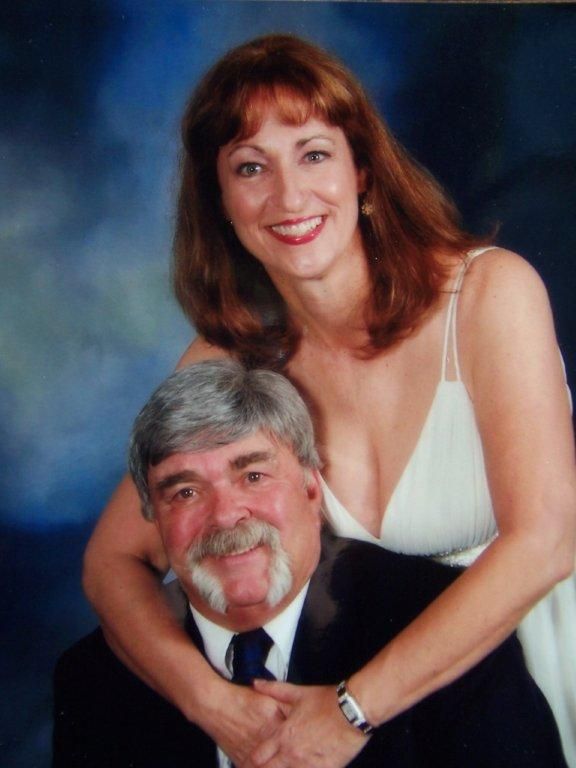
Malignancy has action, travel, romance, realism, and a middle-aged heroine. Does that sound like a contradiction of terms? I’m delighted John is giving me a chance to prove my statement is true today.Picture With Dog

I like to travel to interesting places for work and for pleasure. Thus I’ve consulted on science and educational issues in Lebanon, the United Arab Emirates, the Marshall Islands, and the Philippines. In 2013, I vacationed in Cuba. My Cuban tour guide spouted carefully rehearsed propaganda. However, one of her claims caught my attention. She said Cuban researchers had patented a drug for cancer.

When I got home, I investigated her claim. Researchers at the Center of Molecular Immunology in Havana patented a therapeutic cancer vaccine to treat a rare type of lung cancer. That got me thinking. The result is my novel MALIGNANCY.

Why the fuss about this one Cuban patent? This patent demonstrates Cuban scientists are doing competitive science and understand the importance of commercialization of their research. I also discovered Cuban were already visiting American universities, and U.S. scientists were trying to augment these scientific exchanges despite the U.S. embargo on Cuba. If you doubt me, check out the editorial “Science diplomacy with Cuba” in the journal Science on June 6, 2014.

I thought Sara Almquist, the epidemiologist and heroine of my previous medical thrillers Coming Flu and Ignore the Pain would be the perfect protagonist to do a little “scientific diplomacy” in Cuba.

Here’s a blurb on MALIGNANCY. Men disguised as police officers shoot at Sara Almquist twice in one day. The real police suspect Jim Mazzone, a drug czar who Sara has tangled with several times, will order more hits on Sara. Thus when colleagues in the State Department invite Sara to arrange scientific exchanges between the U.S. and Cuba, she jumps at the chance to get out of town and to see the mysterious Xave Zack, who rescued her in Bolivia again. Maybe, she should question their motives.

Why a middle-aged heroine? Let’s face it, a twenty or even thirty-something heroine hasn’t had time to get a Ph.D. and gain enough experiences to be an international science consultant. So Sara Almquist as a middle-aged woman is the logical heroine of Malignancy. Then too, I like to imagine Helen Mirren playing Sara, my heroine, not a ditzy blonde, who I’ll leave unnamed. (Please don’t comment on my flight of fancy.)

Cover- Malignancy 300Will you enjoy Malignancy?

Here’s what my host John had to say about the book”

Talk about authentic! While reading Malignancy, I had to remind myself it was a work of fiction. Greger’s professional background adds just the right touch of realism. An intriguing read.

What are you waiting for?

Malignancy is available at Amazon http://amzn.com/1610091779 and Oak Tree Press: pressdept@oaktreebooks.com. You can learn about me at my website: www.jlgreger.com, at JL Greger’s Bugs: http://jlgregerblog.blogspot.com. If you have questions, contact me at: JLGreger@oaktreebooks.com.

Meet Author Kurt Kamm

Today I’m hosting author Kurt Kamm.

First responders and the hazards they face and deter are at the heart of the fact-based mystery novels of Malibu, California author, Kurt Kamm. A graduate of Brown University and Columbia Law School, Kurt had a successful career as a financial executive and CEO before immersing himself in the world of the first responders who feature so prominently in his books.  After attending the El Camino Fire Academy and training in wildland firefighting, arson investigation, and hazardous materials response, Kurt also became a graduate of the ATF Citizen’s Academy and has ridden along with the Los Angeles County Fire Department’s famed Urban Search & Rescue Task Force.  Along with this, Kurt has has used his 2 kurt kamm headshotcontacts with CalFire, Los Angeles and Ventura County Fire Departments, and the ATF to enhance the research which vests his novels with a realism that puts his readers on the ground with his characters.

Kurt, when did you realize you wanted to be a writer, and when did you actually begin to write?

I have always enjoyed writing and won a short story prize in high school. When I was at Brown, I took a career guidance test and was advised to become a writer. Even in those young, naive days, I knew I couldn’t earn enough money as a writer and decided to go to law school and on to Wall Street. I look at writing as a final reward for working hard at other things for most of my life

What in your background prepared you to be a writer?

Every lawyer has to learn how to write, if not in the most interesting way. Right brain-left brain. I was never very good at math, but I was a terrific reader and had a good imagination. My business partner couldn’t write two sentences but was brilliant at numbers. We made a great pair.

It is said the key to becoming a writer is to sit in a chair and write. What made you finally sit down and write?

I retired, was recently divorced, and moved out to Malibu. One day I woke up and had NOTHING to do. A friend from the LA Times convinced me to start writing classes. We were encouraged to keep a journal, and write something, anything, every day. That’s how I got started. I really enjoyed it and thought, this is something I can do.

You write faction – fiction based on fact. How much research goes into your novels?

A lot of research. I just read about an author who wrote an entire series of novels about India without ever having even been there. That’s inconceivable to me. I have to be out in the field, smelling, touching, checking out the colors and textures and, most important, listening to the people around me. I have spent hundreds of hours with the men from LA County Fire Department in training situations and at actual incidents. I’ve never had so much fun in my life and have opened a window into a part of life that was unknown to me when I worked in the financial world. I use those experiences as the backgrounds for my novels. I could never dream that stuff up.

Do you do your research yourself, or do you have an assistant do it?

I do all the research myself. I’m not sharing the fun with anyone!

With the attention you give to detail, you know a tremendous amount about your topics. Why faction? Why not non-fiction?

Non-fiction is boring. I want to create factual backgrounds and then insert unique characters: identical twins who are terrorists, albinos obsessed with tattoos and rare blood, and weather broadcasters fixated on fires.

In Tunnel Visions you bring attention to the realities we are facing with water in California? What made this topic of interest to you?1 Tunnel Visions Cover

The idea for Tunnel Visions came from an actual event, a disastrous gas explosion in a water tunnel which killed 17 men. Once I adopted that as the background for the novel, the whole issue of California’s water shortage became part of the story.

Is this reversible? How?

It’s hard to reverse a water shortage unless you are God. Conservation will help. The rain/drought cycles may be decades long. The western United States had a 50 year wet cycle up to end of the 20th Century, so everyone adjusted their expectations and water usage upward. Now we’re in a drought cycle and it’s hard to know how long it will last.

For you, what drives a novel – plot or character?

Character drives the novel.  I love to imagine people who are slightly, or significantly, off center. Isn’t everyone a little weird?  The personality issues create the plot.

You are, shall we say, seasoned. Yet you capture the voice and pathos of a young protagonist easily.  How easy or difficult is this for you?

I refuse to admit my age. Who wants to read something written by an old guy about an old character who’s been there and done that? I like to write about young characters who are intrepid and enthusiastic but don’t have enough life-experience to avoid making mistakes. Actually, it’s easy to create these young characters, and I love ‘em all! Now excuse me, I have to take my mid-morning nap.

Your female character in Tunnel Vision is particularly strong. Did you make her this way on purpose? Did you model her on anyone in particular?

I do know a woman who is a special agent for the ATF, and she gave me some insight into her life in law enforcement. She is attractive, feminine, and tough as nails. I almost fell off my chair when she told me that she worked undercover for two years in an outlaw motorcycle gang in Wichita. (“Winter on a bike sucks.”)  I like including strong female characters – I guess it brings out my feminine side.

What do you hope readers take away from your books?

First, I hope they simply enjoy the experience of reading my novels and find my characters interesting, lovable, or reprehensible. I would also hope they get some insight into the skill and dedication of the first responders who make everyone else’s life safer and easier.

What is the best advice you ever received as a writer?

How about the worst advice? The worst advice was, “Write what you know.” If you do that, you might not ever write anything interesting. Get away from your computer. Get yourself into something you know nothing about, and learn something new. Then go back and write about that.

What is your best advice for aspiring authors?

When I was a master’s bicycle racer, I spent hours, training by myself and trashing my body. Then, on race days, I got up at 4 AM, drove two hours to a 7 AM race start, busted my gut for 2 hours, and sometimes ended up on the podium. And guess what? Almost no one was around and almost no one cared. Sometimes I asked myself, “Why am I doing this?” The answer was, because I loved it. The same applies to writing. You may spend hours working hard to create something no one notices or cares about, so you had better enjoy the process, because that may be all the reward you get. There are no guarantees. That said, if you do love what you are doing, don’t ever give up.

Kurt Kamm is an award-winning novelist of fact-based fiction.  His latest thriller, Tunnel Visions, is on shelves now.  You can read more from Kurt on Huffington Post or Facebook.  To read interviews conducted by Kurt with some of your favorite best-selling authors, visit www.KurtKamm.com.


Organizing Your Novel

resume-writer-editAre you an architect or a gardener?

I’ve had several conversations with authors regarding how they organize their writing process. It’s interesting to discover that no two writers are alike regarding how they navigate the various stages of planning, writing, re-writing, and editing. The spectrum is broad, and ranges from those who are structured, i.e., outlines, full character descriptions, etc., to those like myself who kind of fly by the seat of their pants.

That’s not to say I have no structure. Indeed, I have a good idea about who my main character(s) is/are, and what the story is about, and if one is needed, a sub plot is created. But one thing I never completely determine ahead of time is the ending. As I write the novel, different endings pop into my head. I quickly jot them down and by the time the manuscript is ready for the ending I usually have a couple to choose from.

I think not being tethered to an ending is preferable to needing to write to a pre-determined ending. In my case, I’m able to take the story down different avenues, and even include characters I may not have initially thought about. The only problem occurs when an author has more than one ending that would fit perfectly. Then how does one choose between the two?

Structure is good, though sometimes it can restrain creativity. I rather like being a free-spirited author, one who prefers non-traditional methods. I think author George R.R. Martin said it best. “I think there are two types of writers, the architects, and the gardeners. The architects plan everything ahead of time, like an architect building a house. They know how many rooms are going to be in the house, what kind of roof they’re going to have, where the wires are going to run, what kind of plumbing there’s going to be. They have the whole thing designed and blueprinted out before they even nail the first board up. The gardeners dig a hole, drop in a seed and water it. They kind of know what seed it is, they know if planted a fantasy seed or mystery seed or whatever. But as the plant comes up and they water it, they don’t know how many branches it’s going to have, they find out as it grows. And I’m much more a gardener than an architect.”


A Conversation With Pete Klismet–FBI Author

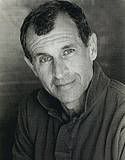
Hi, Pete, please introduce yourself and tell us a little bit about your background.

Hi John and thanks for the invitation to be on your blog.  I have great respect for you and your career, not to mention the pile of awards you’ve rung up in your second ‘career’ as a writer.

I once had a person tell me during a radio interview that I’ve had a “colorful life.”  I never had thought about that, because it’s simply the life I lived.  I grew up in a Denver suburb, quit high school and went in the U.S. Navy when I was 17.  Usually, that doesn’t portend a great future!  But, I had a drive to be the best in the best, and in the Navy that meant SEALS or submarines. I chose the latter.  During my four years in the Navy, I did two tours in Vietnam (underwater of course), and saved a lot of money to go to college when I got out. That’s exactly what I did and was in the very first graduating class at what is now Metropolitan State University in Denver.

Since my major was Criminal Justice, which intrigued me, I decided to go into law enforcement.  Once again the ‘best of best’ came into play.  The Ventura Police Department in southern California was, at the time, the only police department in the U.S.A. which required a bachelor’s degree.  They hired me, I finished first in my police academy class, and I went through the ranks – detective, sergeant, etc.  While there I decided to continue my education, first receiving a master’s in Criminal Justice from Calif. Lutheran University.  Several years later I started at the Univ. of Southern Calif., receiving a second master’s, this one in Public Administration.  I started BW Pete2working on a third one at Pepperdine Univ., but decided two was more than enough.
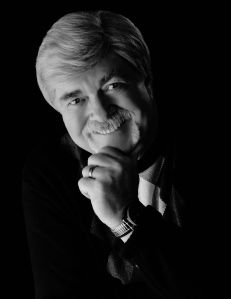
While going to school at USC, I met several guys from the FBI office in Los Angeles who encouraged me to apply to the FBI.  And so I did.  “Best of Best” again. After all the testing, I was quite high on the list, and was appointed a Special Agent in 1979.  The FBI Academy followed, and then I was assigned right back to L.A., not where I wanted to be.  I served two years there and managed to get out on an undercover assignment in, of all places, Iowa.  That lasted about six months and I was assigned to the Cedar Rapids Resident Agency of the Omaha Division of the FBI.

It was in Cedar Rapids where one of the most important things that ever happened to me happened.  I was chosen by my Special Agent in Charge to become one of the first “Profilers.”  After my initial training, I was able to train hundreds of agents and officers in what the concept of (then called) “Psychological Profiling” was about, and how it could be of assistance to them in their investigations.  It was not a full-time job, but that and my other cases kept me more than busy.  After eleven years in Cedar Rapids I requested a transfer to Omaha.  I’d enjoyed Cedar Rapids, but my kids had finished college and it was time to move on.  I spent five years in Omaha working gangs and drugs, which I also enjoyed, despite the long hours.

By then I had enough time in to receive my Office of Preference transfer.  I was assigned to the Grand Junction Resident Agency of the Denver Division until my retirement on 12-31-99.  I did that on purpose, so I’d always remember I retired on the last day of the millennium.  I was also named the 1999 National Law Enforcement Officer of the year by a major international organization for solving a $60 million multi-national fraud case.  Good way to go out.  On top.

Several months after retiring from the FBI, I was hired by a college in Colorado as a Criminal Justice instructor.  I was then recruited by a college in Colorado Springs to become an Associate Professor and Department Chair of the Criminal Justice program.  I spent 13 years in higher education and retired in May of 2013.  Best job I ever had!


When did you decide to begin writing and why?

That’s really a tough question.  I was a rare critter who loved writing police reports and the ones we did in the FBI, including wiretap applications.  Writing seems to be in my DNA.  My mom and dad were both excellent writers-not published.  I didn’t get serious about it until I was in Cedar Rapids.  The Univ. of Iowa has a renowned writing program, so I applied, was accepted, and spent two weeks learning how to write.  Police narratives and books are completely different.  I learned how to use dialogue and action to advance a story.  I wrote my first book, submitted it to an agent, and was rejected.  In retrospect, it was pretty BAD.  But, I went on from there and decided some of my experiences needed to be on paper.  I finished my first book, “FBI Diary: Profiles of Evil,” before I retired from the college.  It was published a few months later.  The Amazon reviews are good, 14 of 15 FBI Diaryare 5* and the other one is 4*.  This book is the very first one which takes the reader right into the training we received in the profiling program.  And, even better, how it worked once I took that training and applied it.  I still have a bunch of cases I didn’t include in that book, and plan another similar one down the line.

I know you have a new novel set for release. Please tell my readers about it.

This one is called “FBI Animal House.”  It arises from my days at the FBI Academy in what I’d characterize as a ‘very unusual’ class.  We had some real characters, and some of the antics will shock people who think ALL FBI agents are spit and polish, ‘by the book’ types.  The book is also very critical of the training, which for me was still mired in the 1930’s or 40’s.  J.Edgar Hoover had died eight years before I went in the bureau.  But, virtually all of his policies remained, including academy training.  The bureau had refused to come into modern times, and the training we got didn’t prepare us for what we’d deal with in the field.  I came out clueless about far too many things.  I’ve talked to quite a few other agents, and they agree.  A Washington pundit wrote about ten years ago, “The FBI is training their agents to arrest Bonnie and Clyde, but wants them to find Osama Bin Laden.”  I hadn’t seen that quote before I started “Animal House,” but I completely agree with it.  It’s going to be a big shock to many people in the USA, partly because I contend that, if properly trained, some things which have happened in this country wouldn’t have happened.  The bureau as a whole won’t like me.  My theory is:  You can’t get by on mystique forever.  If you add quality training to the quality of people the FBI is able to attract, you would have an unbeatable combination.  Unfortunately, that didn’t happen to me and a lot of other agents in the 80’s and 90’s.


What other books have you written?

The only ‘novel’ I wrote was a bomb!  But I learned from the experience.  Mainly that I’ll never try to write fiction again!  All I’ll write from this point on will be non-fiction.  In 30 years of law enforcement time, there are enough things back there to write plenty of more books.  Particularly with the profiling background.  In the 2nd paragraph above I mentioned “FBI Diary: Profiles of Evil.”  We just went into the 2nd edition of that book, so it’s going okay I suppose.  I intend “FBI Diary” to be a series, but more of a brand name than anything else.  I did, in fact, keep something of a diary in the FBI.  But each of the books will be completely different.Animal House First Cover

What is your most rewarding writing experience?

This one took some thought.  I would have to say getting my first book published and then on Amazon is atop the list.  And it was with a ‘real’ publisher, not a vanity press or print on demand.  I had submitted the manuscript for the book to the Public Safety Writer’s Association annual writing contest.  When it got second place in non-fiction, that was pretty exciting.  A few weeks ago, “FBI Animal House,” was awarded first prize in the non-fiction category.  I figured I’d get honorable mention, so that was pretty exciting as well.  Being able to put an award sticker on a book is a pretty cool deal to me.

What in life makes Pete Klismet happy?

I’m one of these lucky guys who has a great wife. We’ve done a lot of traveling together, and I probably enjoy that more than anything else.  We’re truly best buddies and enjoy Pete authorbeing with one another.  Just being with her makes me happy.  And it works the same way for her.  Can’t beat that at this point in my life.

Are you working on any new writing projects?

I am.  Right now I’m about 70,000 words into “FBI Diary: Home Grown Terror.”  This is a story about three para-military, right wing whackos who assassinated a police officer in Cortez, Colorado.  They shot three more officers and put eight police cars out of commission in the chase which ensued.  They fled into some of the worst terrain in the USA, hot, deep canyons, sheer cliffs, a veritable wasteland. Still called “The Greatest Manhunt in the history of the West,” there were ultimately 500 law enforcement officers, National Guard choppers, the FBI’s “Night Stalker” plane, and heaven knows what else involved in the search.  Since I was directly involved with the investigation and identification of these guys, I give the reader a ringside seat to what happened and how we solved it.  The investigation went on for 15 years until the found the body of the third guy.  The other two had committed suicide, and so had the third.  It’s an incredible story.

Is there anything you would like to share with our readers?

A good writer is a good reader.  I think you need to enjoy reading before you can enjoy writing.  Writing is one of the most enjoyable and creative things I’ve ever done in my life.  I might start a chapter thinking “ok, here’s where we’re going today.”  Good luck with that happening.  Once the creative thinking process gets rolling, you can take yourself into a world unlike any you’ve ever been to before.  That may sound a little grandiose, but anyone who has done a considerable amount of writing knows exactly what I’m talking about.

I would add one thing.  Don’t encourage your kids to read, MAKE them read.  There is nothing I hate hearing more from a kid (and I heard it from my students) than “I hate to read.” What a wonderful world they’re missing.


Please provide the readers with a link to your website, and a link to your book.

My website is:  www.criminalprofilingassociates.com  (links to my first book are on there, and the second book will be as well.  And the third. And who knows how many more!)

Both “FBI Diary: Profiles of Evil” and “FBI Animal House,” either are or will be available from my publisher.  That website is  www.houdinipublishing.com  ….. this is really the quickest way to get it, although it is on Amazon. Slower though.

My Facebook page is:  https://www.facebook.com/pages/Pete-Klismet-Author-FBI-Diary-Profiles-of-Evil/425047067608997    (please click on the link and ‘like’ the page.  I’m trying to get over 200 likes!).

Thanks, Pete, I’m sure my readers will be anxious to read your work, particularly your next release about FBI training. I hope to see you at the 2015 writers conference in Las Vegas.
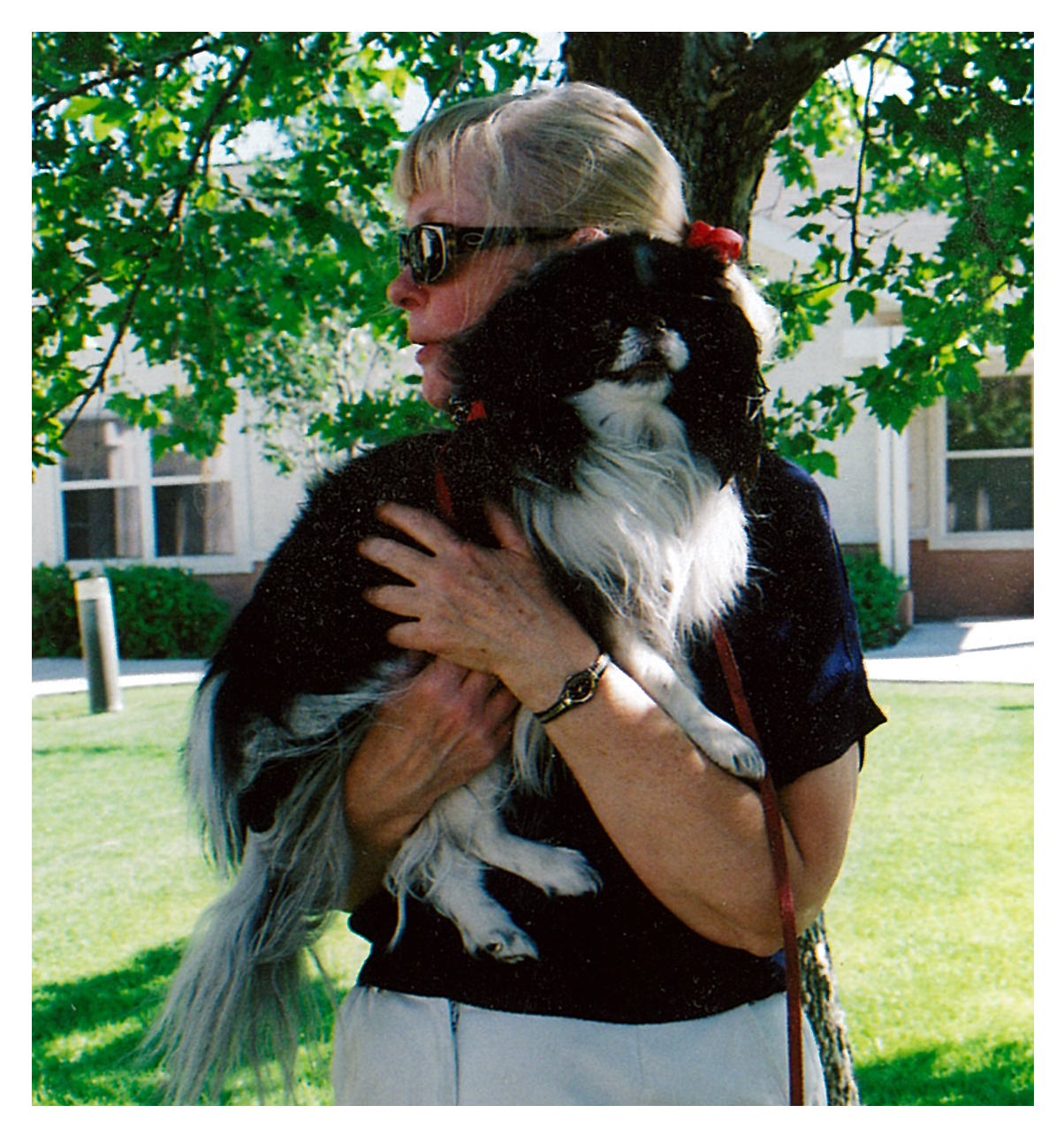


A Conversation with author Amy Bennett

Please introduce yourself, Amy, and share some of your background with us, i.e., birthplace, schools, marriage, and your children.

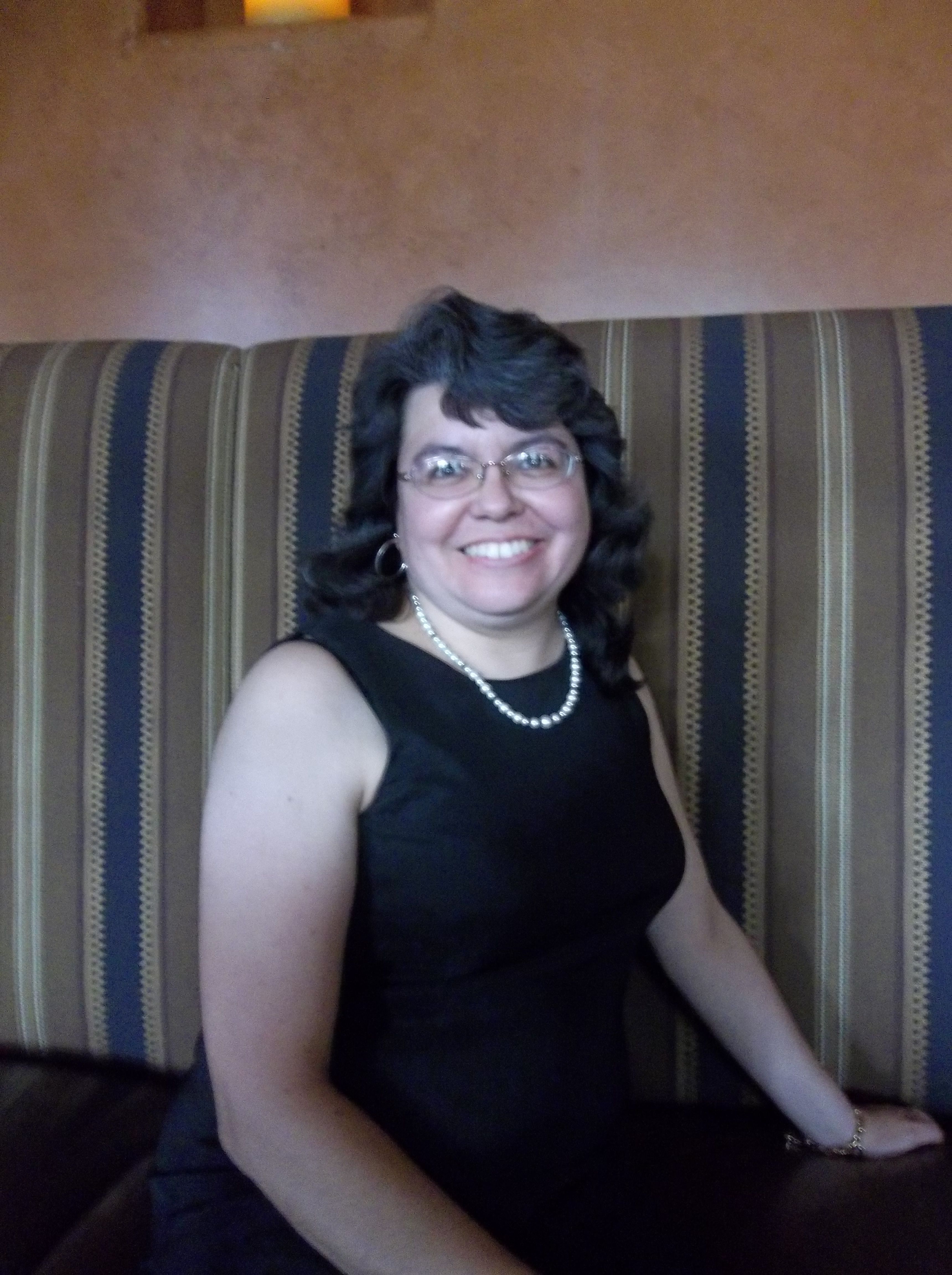
Hi, John, and thanks for having me on your blog! My name is Amy Bennett, born Amy Romero in El Paso, Texas in 1967. My father was a retired Air Force master sergeant and retired from civil service. My mother was a stay-at-home mom, and my sister and I were both late-in-life babies for them (Dad was 48 and Mom was 40 when I came along!). I lived in El Paso, attending public grade school Lee/Magoffin (depending on what year it was) until my parents transferred us to Blessed Sacrament School when I was in sixth grade. For high school, I attended and graduated from Father Yermo High School, an all-girl school, which became co-ed a few years ago. I still support my alma mater as much as I can with career day presentations and speaking at events such as the National Honor Society installation ceremony. My former principal, Sr. Maria de Jesus Mungia, is an active lady (I won’t even attempt to guess at her age; she seems ageless!) who enjoys my books along with those of James Patterson’s Alex Cross novels. I was fortunate that both of my Catholic schools blessed me with wonderful English teachers who taught me well and encouraged me as a creative writer. In 1988, I married Paul Bennett, and moved to Alamogordo, New Mexico, where he and his family lived for years. Except for a brief, six-month stint in Mt. Kisco, New York, we have lived in the Alamogordo area all our married lives. Our son, Paul Michael, was born in 1994. We have lived in Bent, a small town halfway between Alamogordo and Ruidoso, since 2001. Amy Bennett author pic

When did you decide to begin your writing career?

I’ve always loved writing stories. The teachers I alluded to above, Pat Quinn and Pat Hollis, were always assigning some kind of creative writing work, even in classes like history and literature, and I wrote poetry, short stories, even plays, as part of homework assignments. I liked writing short stories best, though I often continued my stories on my own at home. Even then I dreamed of being a novelist! It was after I was married and when was staying home after my son was born that I began writing, in secret: only my husband knew what I was doing and even he didn’t get to see a lot of what I wrote. But he encouraged me, especially when times were tight. We always made room in the budget for writing magazines, contest entry fees, paper, ink, even a computer. With Paul, it was never a question of “IF” I would ever get published, but “WHEN.”

Do you write every day, and are novels the only things you write?

I try to write every day, but it’s not always easy. I work full-time as a cake decorator at the Walmart Supercenter in Ruidoso Downs, New Mexico. I’ve been with the company for 16 years. Three years ago, I also took on a part-time job at a winery in mid-town Ruidoso called, Noisy Water Winery. I became acquainted with their wines (and fell in love with them) around the time I began to play around with the idea of writing a mystery novel. Another New Mexico author, Mike Orenduff, had a character in his mystery series who liked New Mexico wines and I thought it was a great way to add local “flavor” to my stories. So far, I’m still the kid who wanted to keep writing, so for now, I’m sticking to novels.

I know you have a new book out. Please tell my readers about it.

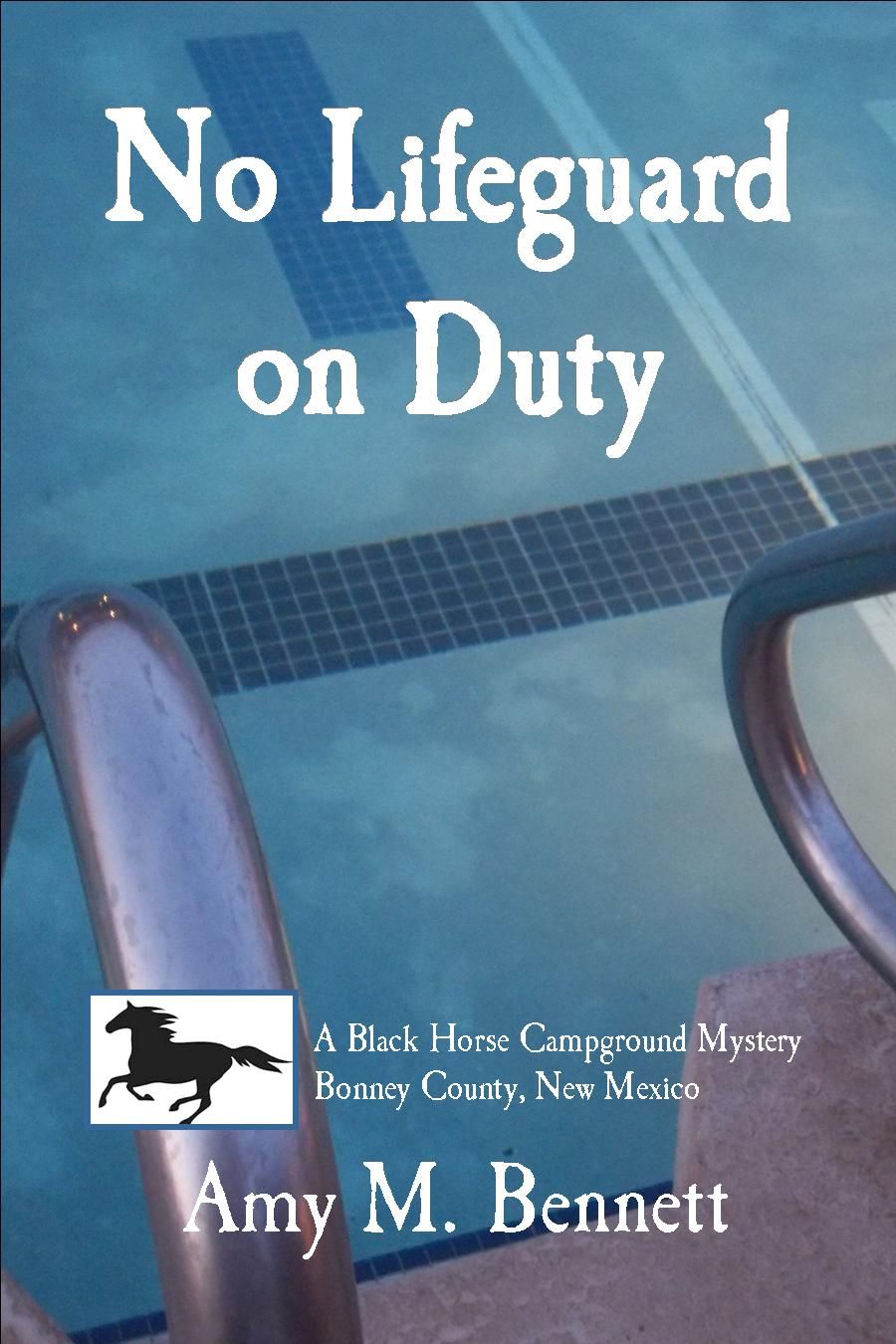
My latest release is the second book in my Black Horse Campground mystery series, No Lifeguard on Duty. In it, the characters from the first book, End of the Road, return with another mystery to solve. Campground owner, Corrie Black, always ushers in the start of the summer camping season with a pool party for her employees and friends, but the morning after the party, the body of Krista Otero is found in the pool and it wasn’t an accidental drowning. Despite opposition from former flame and Bonney County sheriff, Rick Sutton, Corrie sets out to find who murdered the young woman and why the Black Horse Campground is being used as a base for illegal activities. Could it be one of two young men vying for Krista’s affection? Do they have something to do with the drug activity discovered in the campground’s maintenance room? Or are they—and Krista—caught in the middle of something bigger and far more deadly? Could the drugs and Krista’s murder be linked to one of Corrie’s most reliable employees… or one of her long-lost and least trustworthy friends? Of course, to add more interest, former Houston PD lieutenant, J.D. Wilder, is back to assist with the case and add to the mystery of how the love triangle among Corrie, Rick, and J.D. will be resolved.CF - No Lifeguard

What in life makes Amy happy?

Does it sound sappy or corny to say that life makes me happy? It really doesn’t take much to make me happy. I’ve learned to appreciate the simple things and the people I share them with. I’ve had a lot of loss and sadness in life, but Paul and I have learned that you hold on to the good times and memories and when you count that up, you find you’re a lot richer and happier than you think you are. I’m also a strong believer in learning… any day that you learn something new, no matter how small or big, is a great day. I love to learn. Curiosity and love of learning helps me enjoy life more, be happier, and write better!

If you could live anywhere in the world, where would it be?

I love the area in which I live right now. Most people think “New Mexico” and associate it with desert. The south central region where I live has high desert and pine forests. Not too much heat in summer and not too much cold in winter. Bent is a small town; I have to drive 30 minutes one way to get to work in Ruidoso, but I’m driving through the beautiful forest of the Mescalero Apache Reservation and the worst gridlock is in the fall when the elk are crossing the highway in the early morning hours. I grew up in El Paso and if I had to pick a city in which to live, that would be it (no joke!) If I really had to pick another place, Estes Park, Colorado has always been a favorite getaway for Paul and me!

What is your most rewarding writing experience?

It’s a toss up: finishing a book and getting that “I did it” feeling (it never gets old) or opening the box from the publisher and holding the printed book in my hands, not to mention that moment when I signed my publishing contract. But I think it always will be having people—especially complete strangers—say, “I really enjoyed your book and I love your characters! When is the next book coming out?” Yep, THAT has to be the most rewarding.

Do you belong to any writing groups, or critique groups?

An informal group of us tries to meet once a month. There are only three of us, but we all live in different towns and work different hours, so meeting is problematic. We initially got together during National Novel Writing Month a few years ago, and our goal was to become published. Now, we have achieved that goal. Since we all write in different genres, we don’t critique so much as we support each other. We all have families and friends who, despite their love and support of us, get that glazed eye look when we start using words like protagonist and point-of-view.

Are you working on a new project?

Besides book #3 in the Black Horse Campground mystery series, tentatively titled No Vacancy, I’m also working on a Catholic young adult trilogy I’d like to submit to a Catholic publishing house. I also have a few other ideas for books circling around… I’m just waiting for them to land.

Is there anything you would like to share with our readers?

Becoming a published author did not happen overnight and if success is defined by money and fame, then I’m far from successful. However, simply being able to do what I love, with the ones I love most around me and encouraging me, means far more than being #1 on the New York Times best-seller list. I lost a very dear friend to cancer a few months ago, Aimee Thurlo, award-winning and best-selling author of several Harlequin romances and mystery series published by Forge. She and her husband, David, were married for 43 years and spent their days together writing as a team. They didn’t have the financial or literary success of a lot of big-name authors, but they showed me what the dream is all about.

Please provide the readers with a link to your website, and a link to your book.

Here is where you will find me on the ‘net:

My website:  http://www.amymbennettbooks.com/#

My blog:  http://amymbennettbooks.blogspot.com/

My publisher’s website:  http://www.oaktreebooks.com/index.htm

My amazon.com page: http://www.amazon.com/s/ref=nb_sb_noss?url=search-alias%3Dstripbooks&field-keywords=bennett%2C+amy+m

Thank you, Amy, I’m certain my readers have enjoyed meeting you and learning about your books. You sound like a busy woman who has her priorities in order. Much success to you in your writing endeavors.